The Last Word: A Timeless Classic That Still Speaks Volumes
In the pantheon of classic cocktails, few have a history as rich and flavors as complex as The Last Word. First crafted during the prohibition era at the Detroit Athletic Club, this enchanting elixir has experienced a remarkable renaissance in the past few decades.
This post contains affiliate links, which means I may receive a small commission, at no extra cost to you, if you make a purchase using these links.
As you savor its bright, herbal taste, it’s hard to imagine that this cocktail was nearly forgotten, only to be rediscovered in the early 2000s. Its revival can be largely credited to Murray Stenson, a renowned bartender from Seattle who found the recipe in Ted Saucier’s “Bottoms Up,” a cocktail book published in 1951.
The Last Word is an enchanting symphony of flavors – herbal, sweet, tart, and potent. Its vibrant green hue, thanks to the inclusion of Green Chartreuse, is visually arresting. However, as many cocktail enthusiasts have recently found, there’s been a Green Chartreuse shortage. A worthy substitute is Génépy Des Alpes, a similar herbal liqueur, which delivers a comparable taste profile and the signature green tint.
The Last Word is all about balance. Its components – strong, sweet, sour, and bitter – combine to form a harmonious whole that’s much greater than the sum of its parts.
In an homage to its revival, there is an eponymous speakeasy in Ann Arbor, Michigan, aptly named The Last Word. Known for its vast and fabulous cocktail selection, it’s a fitting tribute to this timeless concoction.
The Last Word is more than just a cocktail. It’s a testament to the enduring allure of classic mixology, a reminder that trends may come and go, but quality and balance remain timeless. When you take a sip of The Last Word, you’re not just tasting a cocktail – you’re savoring a piece of history.
FAQ: The Last Word Cocktail
What is The Last Word cocktail?
The Last Word is a classic gin cocktail known for its perfectly balanced blend of four equal parts: gin, Green Chartreuse, maraschino liqueur, and lime juice. This unique combination creates a complex yet harmonious flavor profile, offering a mix of herbal, sweet, tart, and slightly bitter notes. Its vibrant green hue and bold taste make it a standout among Prohibition-era cocktails.
Where did The Last Word originate?
The Last Word was first crafted during the Prohibition era at the Detroit Athletic Club, making it a true American classic. It gained popularity in the 1920s but was nearly forgotten until its rediscovery by Seattle bartender Murray Stenson in the early 2000s. Since then, it has reclaimed its place as a beloved staple in cocktail bars worldwide.
Why is Green Chartreuse important in The Last Word?
Green Chartreuse is a vital ingredient in The Last Word, contributing its signature herbal complexity and vibrant green color. Made by Carthusian monks in France using a secret blend of 130 herbs, plants, and flowers, Green Chartreuse adds an unmatched depth to the cocktail. If unavailable, Génépy Des Alpes is a worthy substitute, maintaining the drink’s bold, herbal character.
Can I use different gin types in The Last Word?
Yes, the choice of gin can significantly influence the flavor of The Last Word. A classic London dry gin enhances the drink’s herbal and citrusy elements, while a more floral or contemporary gin can add unique layers to the cocktail. Experimenting with different gins allows you to tailor the drink to your personal taste.
Is The Last Word a sour cocktail?
The Last Word falls into the category of sour cocktails due to its use of fresh lime juice. However, it stands out from traditional sours because of its complex blend of herbal, sweet, and tart elements, resulting in a perfectly balanced and sophisticated flavor profile.
Why is The Last Word considered a Prohibition cocktail?
The Last Word was created during the Prohibition era in the United States, a time when the sale and consumption of alcohol were banned. Despite this, it gained popularity at the Detroit Athletic Club, becoming a symbol of the speakeasy culture. Its rich history and bold, balanced flavors make it an enduring favorite among cocktail enthusiasts.
Why is Chartreuse so hard to find?
Chartreuse has become increasingly scarce due to a combination of factors. The liqueur is produced by Carthusian monks who have maintained a commitment to traditional methods and limited production capacity. Despite rising global demand, they have chosen not to increase output, prioritizing quality and sustainability. Additionally, supply chain disruptions have further impacted availability. As a result, many cocktail enthusiasts are seeking a substitute for Chartreuse to recreate their favorite drinks.
What can I use in place of Chartreuse?
Finding a suitable substitute for Chartreuse can be challenging due to its complex herbal profile. One of the best options is Génépy des Alpes, which shares a similar flavor profile with Green Chartreuse. Other excellent choices include:
- Strega: An Italian herbal liqueur with a sweet, saffron-forward flavor.
- Bénédictine: A French liqueur known for its blend of herbs and spices, offering a rich and complex taste.
- Dolín Génépy: Another variation of Génépy with a slightly lighter herbal profile.
These alternatives can effectively replace Chartreuse in cocktails while preserving the drink’s complexity and depth. By experimenting with these substitutes, you can continue to enjoy your favorite Chartreuse-based cocktails even when the original is hard to find.
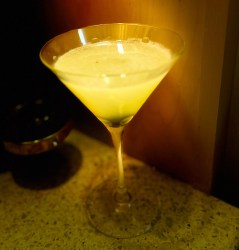
The Last Word
Discover the classic cocktail, The Last Word. Learn about its rich history, unique flavors, and how to make it with our detailed recipe.
Ingredients
- ¾ oz Gin
- ¾ oz Green Chartreuse or Génépy Des Alpes
- ¾ oz Maraschino liqueur
- ¾ oz Lime Juice
Instructions
- Add all the ingredients to a shaker with ice.
- Shake vigorously until chilled.
- Strain into a chilled cocktail glass.
- Garnish with a single brandied cherry.